
Know Your Septic System
The single best thing you can do for your septic system is understand how it works and maintain it. Below you’ll find the essentials: what a septic system is, why pumping matters, how your lateral field works, and what to plant over it. Start with the toilet paper test video, then read through the tips.
What is a septic system?
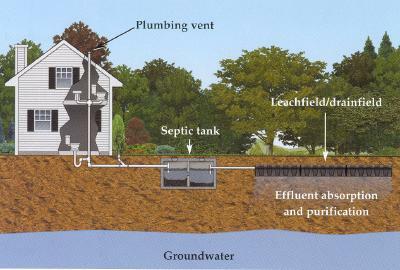
A conventional septic system is one that collects all the wastewater from a home, then treats it so that it can be released into the soil for evaporation or absorption. Though each house is a little different with tank and leachfield size and placement, all septic systems have the same components: 1) Septic tank, and 2) Leachfield/drainfield/lateral field (all these names can be used interchangeably).
All water in a house that is on a septic system flows to the septic tank. Here in the tank, the bacteria treats the water and holds the water as it slowly drains to the leachfield. This draining process is a fairly slow one. A septic tank is almost always full of water and must be that way to function properly. The only time a septic tank might not be full is after a routine septic tank pumping. After a tank is pumped it takes about 3 to 4 days for the tank to fill back up again, assuming all regular household activities are taking place.
Why do you need to have your septic tank pumped?
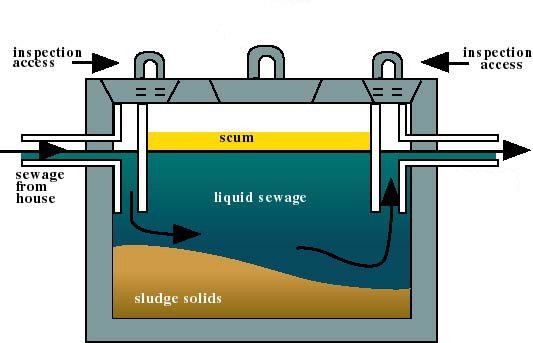
It is recommended that you have your septic tank pumped every 3 to 5 years based on the activity level of your home. The reason for this is due to the sludge buildup at the bottom of your tank. The more water users in the home, the faster this sludge layer can build up, therefore the more often you will need to have your septic tank pumped. (Typically if you have four or more people living in the home, you should have your tank pumped every 3 years, whereas if there are just two people living in the home you can wait and pump every 5 years.)
The scum layer holds the good bacteria that helps break down all the nasty stuff that isn’t good for the environment before releasing the wastewater out to the drainfield. The sludge layer is the accumulation of solid matter that comes from the house over time. Every time you flush your toilet or use your garbage disposal, the solids that come from the house eventually collect at the bottom of the tank. The reason you pump your septic tank is to clean this sludge layer out. Your septic tank is always full of water and needs to be full of water to function properly, so you don’t have your septic tank pumped because it is full of water, but to clean out the sludge. If this sludge layer is not cleaned out regularly it can build up over time and drain out to the lateral or leachfield. If this happens, the leachfield will become clogged and will not be able to function properly and will eventually need to be replaced.
What is my lateral field / leachfield / drainfield?
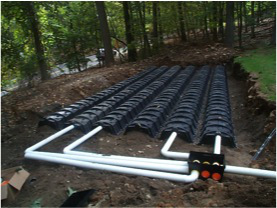
This is where all the wastewater from your house eventually ends up. Here, the water either evaporates into the air or becomes absorbed into the ground. This is also the most expensive part of your system. The chamber laterals are made of a strong plastic-type material, but this material cannot withstand the weight of heavy equipment such as a car, truck, or farm vehicle. Neither can the bundled synthetic aggregate. It is very important that you always know where your lateral field is located so that it can stay open and protected from being crushed. Lawn mowers do not hurt this area, but larger vehicles or livestock can.
If your lateral becomes crushed it will not function properly. Signs of partial crushing include pooling of wastewater in the area that was crushed. This will more than likely be water that has a foul odor, as it just came from your septic tank before pooling on top of the injured lateral.
Other issues that can cause a lateral not to function properly is if it is exposed to water regularly. This is an area that needs to remain as dry as possible, so sprinkler systems need to be kept at a distance. If you can think of your laterals as being a sponge for your water, imagine how well a wet sponge will act if you continually send water out to it; there comes a point when the sponge is no longer able to absorb water. Your laterals act in much the same way. Constant watering of this area or sprinkler systems placed too closely will not allow your laterals to function properly.
What can I plant over my lateral field?
Most of the time when a customer calls asking what to plant on or around their drainfield, I give a fairly vague answer such as grasses or anything with a short root system. Trees and bushes need to be kept at least 25 to 30 feet away from this area as their roots can potentially cause problems to the laterals. Also, anything that produces food is not recommended, as most vegetable or fruit producing plants require a lot of water and cultivation. Watering your lateral field will hinder its ability to absorb water from your home, and cultivating this area can also lead to premature failure of your drainfield. Recently, I came across an amazing article done by the Washington State University extension agency. Please read this article for more specifics about what to plant and what not to plant in the lateral field area.
Other Tips
- Have your septic tank pumped regularly. You should not wait until the wastewater ponds in your yard or backs up into your house. At that point you will not only need the system pumped, but you may also have other costly repairs to do.
- Have your system pumped by a reputable person. A good pumper will pump wastewater through the manhole or access port (not the 4-inch inspection pipe, which is too small to see if the tank is sufficiently cleaned); backflush wastewater into the tank to loosen up materials and then pump it again; check that the baffles or tees are in place and in working condition; and dispose of your septage in a legal manner.
- Conserve water to reduce the amount of wastewater that needs to be treated. Spread out your water usage, install water conserving fixtures, repair leaks, take short showers, and turn off the faucet while brushing teeth.
- Think about what you flush down the toilet or drain. Septic systems cannot handle cigarettes, diapers, feminine products, or even facial tissue. Garbage disposals put a great strain on the system. Grease and oils increase the scum layer. Unwanted pesticides, cleaning products, or other chemicals should not be dumped down the drain. Don’t overuse cleaning chemicals, including bleaches and drain cleaners. Additives are not necessary. Certain brands of toilet tissue do not break down readily and may require more frequent pumping.
- Protect your septic tank and drainfield from excessive water and traffic. Divert surface water away from your drainfield, don’t drive vehicles over it, don’t site animal confinement over it, and don’t construct anything over the tank or drainfield.
- Keep detailed records of repairs, pumping, and other maintenance activities. Have a sketch of the location of your septic tank and drainfield for future maintenance as well as future owners.