Get a Quote
Tell us about your home and how we can help.
Why Choose Southwick?
- Almost 50 years of experience
- Largest capacity truck in the Lincoln area
- Certified with Nebraska DEQ
- A raised standard of excellence and professionalism

Since the 1960s, technology has existed to clean up wastewater before it can contaminate the environment. The first pre-treatment units were used on naval ships. The wastewater was then dispensed into the ocean. Since then, these units have been improved upon and are now used in residential on-site wastewater systems (aka septic systems).
There are a variety of different pre-treatment units on the market today. The most common for on-site wastewater systems take up to 75% of the contaminants out before ever hitting the soil. This is obviously better for the environment, but it also increases the life of a septic system too. Currently, most septic systems have a life expectancy somewhere between 15 and 30 years. This variance in years has much to do with the soil type, water usage, and maintenance of the system. All of these are variables that can shorten the life of a septic system. However, when you clean the water up before it hits a drainfield (or soil) by removing 75% of the contaminants, the cleaner water allows for a longer life.
This is how septic systems can benefit from these pre-treatment units. But what about when the ground doesn’t perc for a conventional septic system?
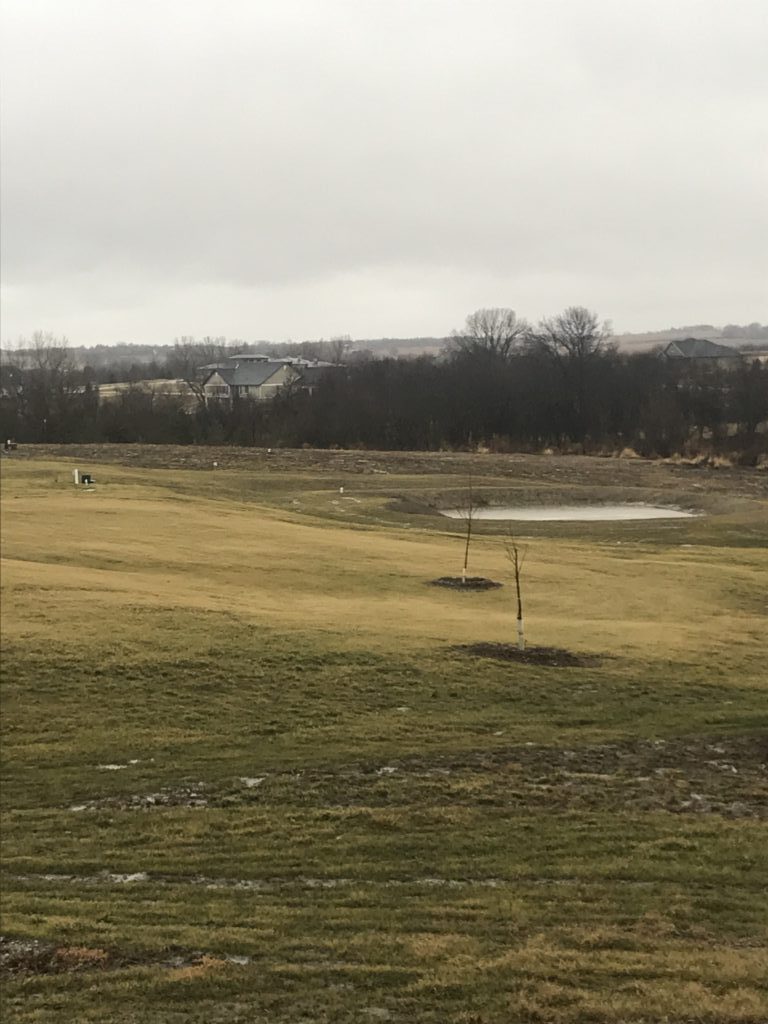
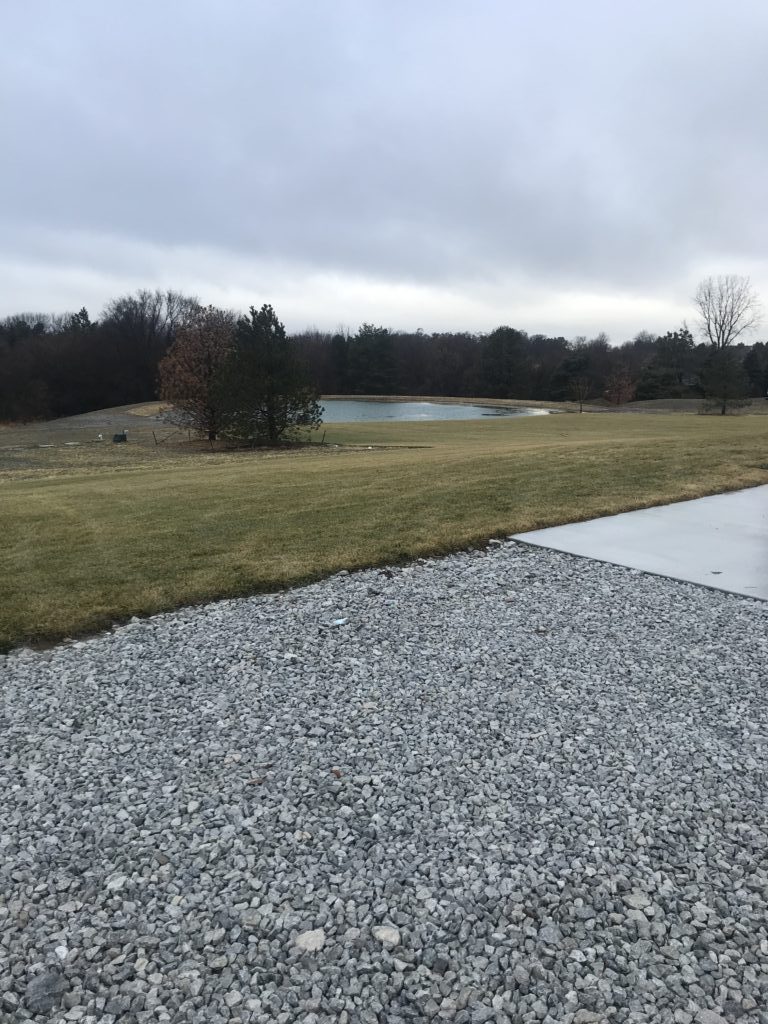
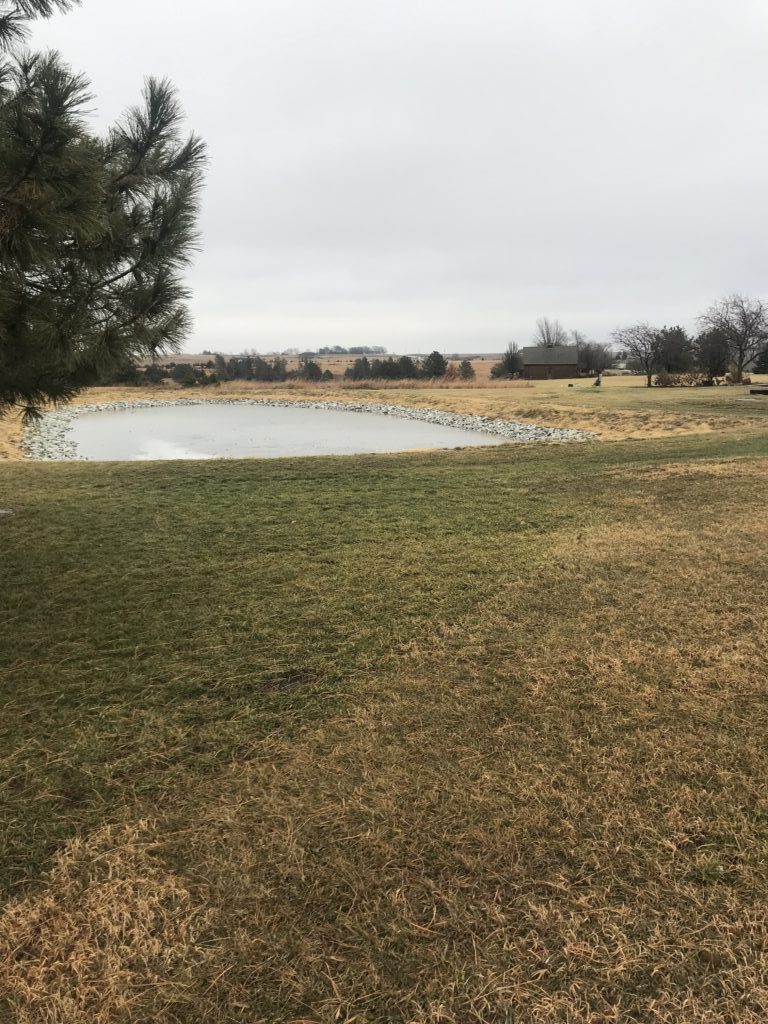
In Nebraska, there are basically two options for on-site wastewater systems. If the ground percs, you can install a conventional septic system. If it does not perc, most people install a lagoon. For the most part, people hate lagoons. They are gross and ugly. However, with pre-treatment units, a lagoon can become a polishing pond, a body of water that to anyone driving by looks like a nice pond on the acreage. Below are pictures of polishing ponds Southwick Liquid Waste has installed in the last couple of years.
Cleaning up the environment, extending the life of a septic system, and swapping a lagoon for a polishing pond are all made possible by these pre-treatment units. The units Southwick Liquid Waste uses are engineered and created by a company called BioMicrobics. To learn more about this company and how we can make these units work for you, please visit the Nebraska BioMicrobics page.